

Can the G7 Break China's Grip on Rare Earths by 2030?
The G7's 60% target is ambitious but not unrealistic — provided governments treat it as a floor that demands sustained action rather than a headline that substitutes for it. The architecture is clearer than it has ever been.

Magnet Supply Chains Attract Bipartisan Focus
Most U.S. policy to address our dependence on China for rare earths and permanent magnets has chipped away at the problem one link at a time. The Magnets Value Chain Support Act takes a different approach: establishing production incentives across the entire permanent magnet supply chain, from mining and refining through to the motors and defense systems that depend on them.

Defense Critical Minerals Policy is Moving From Sourcing Restrictions to Supply Chain Requirements
The House Armed Services Committee's FY 2027 National Defense Authorization Act (NDAA) proposes an overhaul of the Department of War's critical materials sourcing requirements. For defense contractors, this creates a compliance system that is less static and more responsive to supply chain risk.

All Gas, No Tax Leaves America’s Infrastructure Behind
Gas tax holidays pose a risk of not generating expected consumer benefits, defunding an already insufficient Highway Trust Fund (HTF), and deferring important investments in transportation infrastructure critical to the U.S. economy and armed forces.

Republicans and Democrats Connect on Transmission
American leadership in AI computing, reindustrialization, and consumer electrification represents the first rapid increase in electricity demand since air conditioning became prevalent. This combination of energy policy problems has had the unexpected benefit of fostering bipartisan interest in growing the grid in Congress, and even between the Trump Administration and Democratic lawmakers.

Geopolitical Supply Shocks Reshaping Global Aluminum Availability
Last week’s attacks on two of the world’s largest aluminum smelters have increased fears that aluminum prices could persist. Combined with recent Iranian attacks on critical energy infrastructure throughout the Middle East, primary producers are in a precarious position—facing increased energy costs and damaged facilities. The aluminum market, which was already undergoing a structural realignment before the current conflict, is now teetering on a crisis.

Disruption in the Strait of Hormuz is Cutting Off Military-Grade Aluminum
When geopolitical crises erupt in the Middle East, Americans instinctively worry about oil. But the conflict in Iran is also disrupting military-grade aluminum supply chains dependent on Middle Eastern nations and the Strait of Hormuz.

The Global Rule That Could Shape the Future of Driverless Cars
Breakthroughs in physical AI are fast-tracking the evolution of autonomous driving. As the nation builds upon private-sector momentum to advance the adoption of autonomous vehicles, DOT should ensure that data access does not compromise the security interests of the US and its allies.

Introducing FORGE: The Trump Administration’s Evolving Approach to U.S. International Critical Minerals Partnerships
The Trump Administration’s evolving approach to international collaboration provides additional space for U.S. leadership in shaping the global critical minerals agenda. New initiatives, such as FORGE and Pax Silica, alongside bilateral agreements and engagement through established platforms like the G7 and G7+, provide Washington with multiple entry points to advance strategic priorities and influence policy.
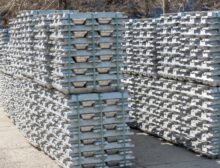
No Power, No Smelter: The Real Test of America’s Aluminum Revival
Electricity policy, not capital, is now the biggest constraint on domestic aluminum production. The Century–Emirates Global Aluminum announcement, although welcome and long overdue, is a reminder of how far policy must go to make the next wave of American industrial resurgence a reality.




Subscribe